

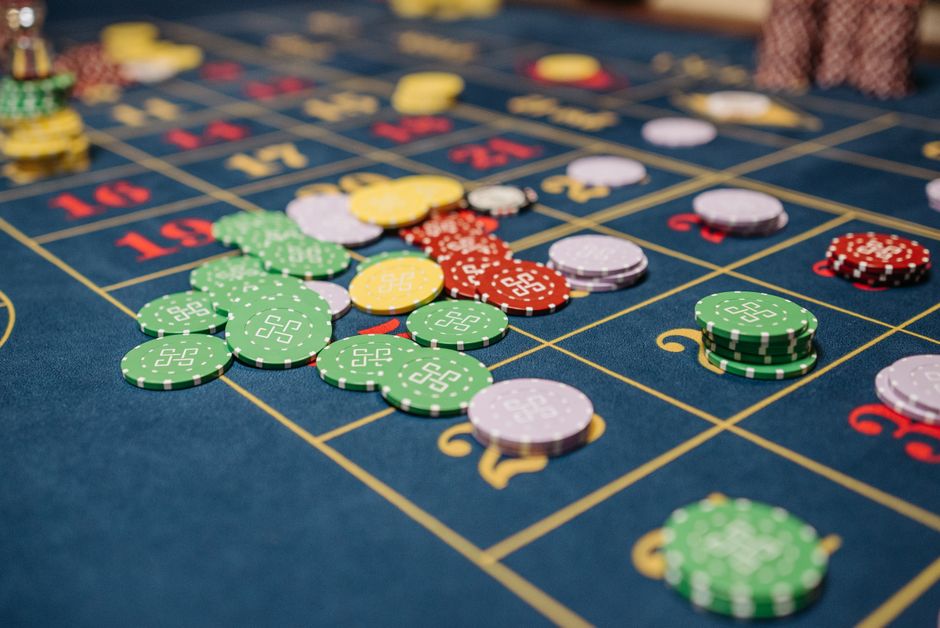
You’ve seen the flashy ads, the streamers with their exaggerated reactions, and the endless promises of easy riches. Most iGaming content online is either recycled press releases or thinly veiled affiliate spam. But beneath the surface of casino sites, sportsbooks, and poker rooms lies a fascinating ecosystem of math, psychology, and technology—one that rewards players who take the time to understand it.
Whether you’re spinning slots for entertainment, building a betting portfolio, or grinding micro-stakes poker, the difference between a frustrated donor and a satisfied player often comes down to knowledge. Not secret systems or guaranteed wins—those don’t exist—but a clear grasp of how these games actually work, where the value hides, and how to avoid the psychological traps designed to separate you from your bankroll. You can read more about it on สล็อต.
Slots: The Truth Behind the Lights and Sounds
Modern video slots are marvels of engineering. A single game might contain hundreds of thousands of lines of code, complex bonus logic, and server-side random number generators (RNGs) that determine every outcome. Yet most players judge a slot by its theme or the size of its jackpot—both of which tell you almost nothing about its actual payout behavior.
The key metric is Return to Player (RTP), expressed as a percentage. A slot with a 96% RTP pays back, on average, 96 units for every 100 wagered over millions of spins. That 4% is the house edge—the casino’s theoretical profit. But here’s the catch: RTP is calculated over an infinite timeline. In a single session, volatility matters far more.
High-volatility slots, like many Megaways titles, can go hundreds of spins without a meaningful win, then deliver a massive payout. Low-volatility slots pay small amounts frequently. Neither is “better”—they suit different bankrolls and temperaments. A common mistake is chasing a jackpot on a high-volatility slot with a bankroll that can’t withstand the dry spells.
- Check the RTP before you play. Reputable casinos publish it in the game info. Anything below 95% is below average for video slots.
- Understand volatility. Low variance = longer playtime, smaller swings. High variance = chance for big wins, brutal droughts.
- Ignore “hot” and “cold” myths. Each spin is independent. A slot that hasn’t paid in an hour is not “due.”
- Bonus buys are not free money. They’re priced at a premium, often with lower effective RTP than the base game.
Smart slot players also set hard stop-losses and time limits. The immersive design—flashing lights, celebratory sounds, near-miss animations—is intentionally crafted to keep you spinning. Recognize it for what it is.
Sports Betting: Beyond Picking Winners
Many bettors believe success is about predicting outcomes. That’s only half the story. The other half is finding value—odds that are higher than the true probability of the event. A 50/50 coin flip should pay 2.00 (even money) in a fair world. If a book offers 1.90, the house edge is 5%. If a soft book offers 2.10, you have a 5% player edge. Over hundreds of bets, that edge compounds.
Line shopping is the single most underrated skill in sports betting. Different sportsbooks price the same event differently, sometimes by 5% or more. An hour before kickoff, you might find the Chiefs at -3 (-110) on one site and -2.5 (-105) on another. The second is a better deal. Over a season, those small differences separate profitable bettors from break-even ones.
Another crucial concept: closing line value (CLV). If you bet a team at +150 and the line closes at +130, you beat the closing number. Consistently beating the closing line is one of the strongest indicators of long-term profitability, even if individual bets lose. Professional bettors track CLV religiously.
Bankroll management is equally vital. Flat betting—wagering the same percentage (typically 1-2%) of your bankroll per play—reduces variance and keeps you in the game. Chasing losses with exponentially larger bets is the fastest route to ruin.
Poker: The One Game Where Skill Trumps Luck
Poker is unique in the iGaming world because players compete against each other, not the house. The casino takes a rake—a small cut of each pot—but the better player wins over time. This makes poker a game of edges, not luck.
Online poker has evolved dramatically. In the early 2000s, a solid understanding of pot odds and tight-aggressive play was enough to crush low-stakes games. Today, even micro-stakes are populated by players using solvers, HUDs (where allowed), and study groups. The bar has risen.
To compete, focus on these fundamentals:
- Position is power. Acting last gives you more information. Play more hands from the button, fewer from early position.
- Think in ranges, not specific hands. Your opponent doesn’t have one hand; they have a distribution of possible hands. Bet sizing and board texture narrow that range.
- Master bet sizing. Small bets (25-33% pot) apply pressure cheaply. Large bets (75-100% pot) polarize your range and extract value.
- Separate emotions from decisions. Tilt—playing emotionally after a bad beat—is the most common leak. Take a break when you feel frustration rising.
- Study away from the table. Review hand histories, use equity calculators, and discuss spots with other players.
Bankroll management in poker is even more critical than in sports betting. A common rule: have at least 20 buy-ins for cash games and 50-100 buy-ins for tournaments. This cushion absorbs the inevitable downswings.
The Psychological Traps (and How to Avoid Them)
iGaming operators employ teams of behavioral psychologists to design interfaces that keep you playing. Near-miss animations on slots, the “almost won” feeling, the variable reward schedules—all are borrowed from the same research that explains gambling addiction.
Awareness is your best defense. Set deposit limits before you start. Use time-out features if available. Never play drunk, angry, or desperate. And remember: the house always has an edge in casino games and sports betting. The only game where you can consistently win is poker—and only if you’re better than your opponents.
Another trap is the “sunk cost fallacy.” If you’ve lost $200, that money is gone. Chasing it with more bets doesn’t recover it; it only increases your risk. Treat each session independently.
Final Thoughts: Play Smart, Not Hard
The iGaming world is not a get-rich-quick scheme. It’s an entertainment industry built on mathematical edges. The players who enjoy it most—and lose the least—are those who treat it as exactly that: entertainment with a cost, not an investment. Learn the mechanics, respect the math, and never wager more than you can comfortably lose. Do that, and you’ll be ahead of 90% of the crowd.


Coding is used in almost all aspects of life and work now, be it directly or indirectly. It’s not just for companies in the tech sector. “An increasing number of businesses rely on computer code,
Coding is used in almost all aspects of life and work now, be it directly or indirectly. It’s not just for companies in the tech sector. “An increasing number of businesses rely on computer code,
Coding is used in almost all aspects of life and work now, be it directly or indirectly. It’s not just for companies in the tech sector. “An increasing number of businesses rely on computer code,