

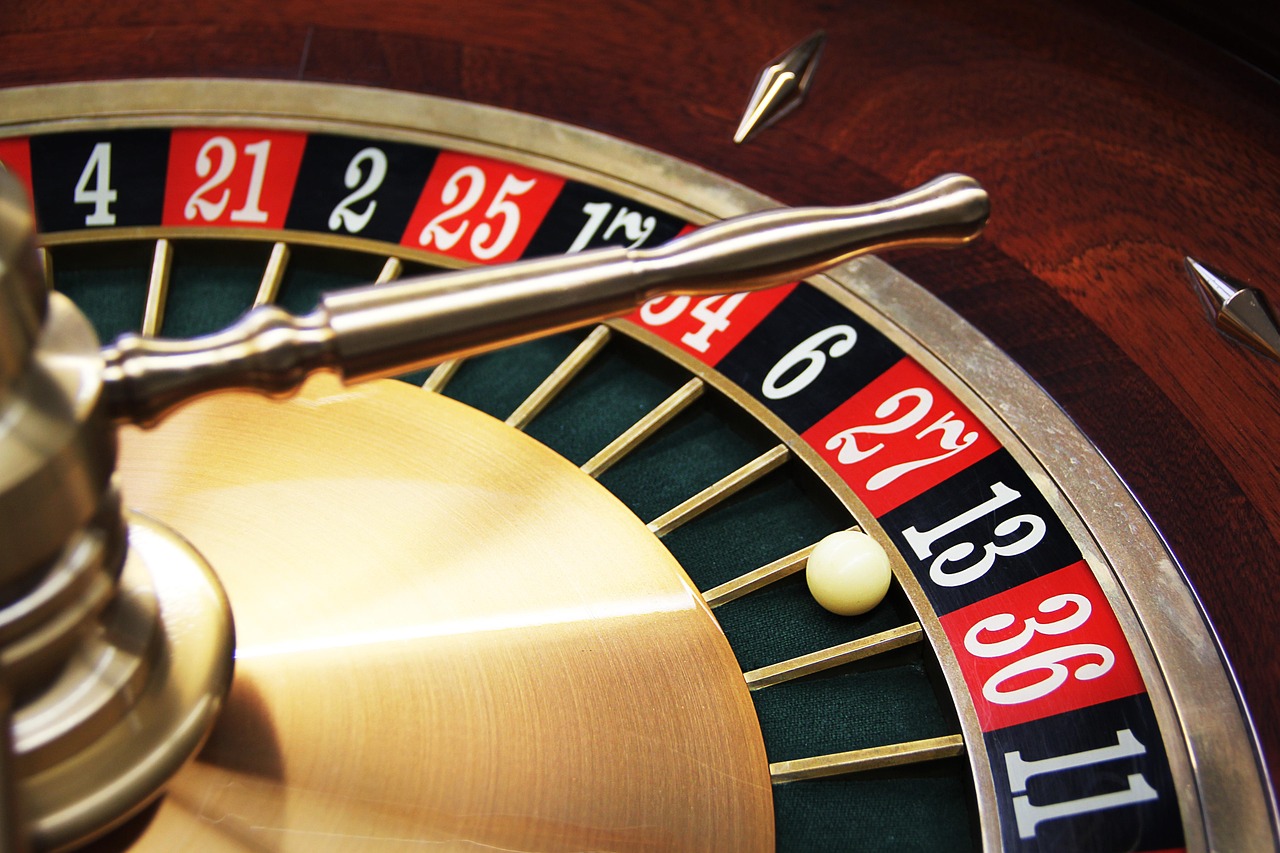
You sit down with $100, pick a slot that looks fun, and twenty minutes later you're staring at a balance of $3.40 wondering what happened. Meanwhile, your friend plays a different game with the same $100 and grinds for three hours before busting. Same bankroll, wildly different experience. The difference usually isn't luck in any mystical sense — it's volatility, and understanding it is probably the single most useful thing a casual player can learn.
Let's break down what volatility actually means, how it interacts with RTP, and why the "best" slot for you depends entirely on what you want out of a session.
What Slot Volatility Actually Means
Volatility (sometimes called variance) describes how a slot distributes its payouts over time. A low-volatility slot pays small amounts frequently. A high-volatility slot pays rarely but can hit enormous amounts when it does. Both can have identical RTP, which is the part most players miss.
Picture two machines, both with a 96% RTP. One pays you $0.20 back on most spins, chipping away slowly. The other swallows 400 spins in a row, then drops a 500x multiplier. Over millions of spins they return the same 96%. Over your 200-spin session, they feel like completely different games.
This is why the industry-standard RTP figure advertised everywhere is almost useless on its own. A 96.5% RTP on a highly volatile game doesn't mean you'll lose 3.5% smoothly. It means the game has a wide distribution of outcomes, and you might be on either end of it.
The Three Rough Tiers (And What They Feel Like)
Providers don't use a strict universal scale, but most games fall into recognizable buckets. Here's a practical breakdown:
- Low volatility (e.g., most classic 3-reel slots, many NetEnt titles like Starburst): frequent small wins, hits on maybe 25–35% of spins, max win typically 100x–500x. Good for long, low-stress sessions on a small budget.
- Medium volatility (think Book of Ra, most Pragmatic mid-tier games): balanced hit frequency around 20–25%, max wins in the 1,000x–5,000x range. The "default" for most players.
- High volatility (e.g., Money Train, San Quentin, many Megaways releases): hit frequency sometimes below 15%, but max wins reach 10,000x, 50,000x, even 100,000x+. Brutal dry spells, then chaos.
Those max win numbers matter more than people realize. A game advertising a 50,000x max win is telling you it needs to be volatile to deliver it. You cannot have frequent small wins and a life-changing top prize on the same 96% RTP. The math doesn't allow it.
Matching Volatility to Your Bankroll and Mood
Here's a rough rule experienced players use. Your total session bankroll should be at least 100–200 times your bet size for medium volatility, and 300–500 times for high volatility. Betting $1 on a high-volatility slot with a $100 bankroll means you have 100 spins — statistically you may not even see a bonus feature before busting. You will find a helpful summary at สล็อต.
- Want a long session with modest swings? Go low volatility, bet 0.5–1% of bankroll per spin.
- Chasing a bonus feature with a reasonable budget? Medium volatility, 1% per spin.
- Playing purely for the dream hit, ready to bust fast? High volatility, but shrink your bet so you get at least 250+ spins.
A common mistake is treating a high-volatility slot like a low one — betting $2 a spin on San Quentin with a $200 bankroll, then complaining the game is "rigged" when it eats everything in fifteen minutes. It's not rigged. You picked a sprinter for a marathon.
Poker: Volatility Without the RNG
Poker players deal with the same concept in a different wrapper. Cash games are the low-volatility cousin — a skilled player grinds a small edge over thousands of hands, and daily results are mostly noise. Tournaments are pure high volatility: you can play perfectly for four hours and bust on a 70/30 all-in.
Winning tournament players often go dozens of buy-ins without a significant cash, then bink one deep run that funds three months. If you can't stomach that swing, tournaments will break you psychologically long before they break your bankroll. The fix — same as slots — is strict bankroll management and playing within a structure you can emotionally handle.
Sports Betting Parallels (And a Warning)
Betting markets have their own volatility profile. A -110 spread bet is roughly a coin flip — low payout, moderate variance. Parlays and longshot futures offer huge returns at extremely low hit rates. Same principle: the odds tell you the volatility, not just the payout.
The warning: unlike slots with fixed RTP, sports bettors can actually be +EV if they have a real edge. But that edge only shows up over hundreds of bets. One hot weekend doesn't prove anything, and one catastrophic Sunday doesn't disprove it. If you're not tracking results properly, you'll confuse variance with skill in both directions.
A Few Practical Habits Worth Building
- Check RTP before you play. Most reputable slots sit between 94–97%. Anything below 94% is a meaningful house edge bump — some providers quietly publish lower RTP versions for certain markets.
- Look up the volatility rating. Slot review sites like SlotCatalog and Bigwinboard publish hit frequency and volatility estimates. Five minutes of research beats twenty minutes of guessing.
- Set a hard stop-loss and a win goal. Volatility is only a problem when your emotions override your plan.
- Use bonus funds carefully. Wagering requirements on a 100x high-volatility slot can be near-impossible to clear within the time limit.
Final Thought
The next time a slot drains your balance suspiciously fast, resist the urge to call it a scam. Pull up its stats first. Chances are you're on a 10,000x-max game with a $50 bankroll — and the game is doing exactly what it promised. You just didn't know what you were promising yourself. Pick the volatility that matches your patience and your wallet, and the whole experience stops feeling rigged and starts feeling like the math game it actually is.


Coding is used in almost all aspects of life and work now, be it directly or indirectly. It’s not just for companies in the tech sector. “An increasing number of businesses rely on computer code,
Coding is used in almost all aspects of life and work now, be it directly or indirectly. It’s not just for companies in the tech sector. “An increasing number of businesses rely on computer code,
Coding is used in almost all aspects of life and work now, be it directly or indirectly. It’s not just for companies in the tech sector. “An increasing number of businesses rely on computer code,